![Great Ocean Road Coast Committee [logo]](https://www.gorcc.com.au/app/themes/gorcc/images/gorcc-logo.svg)
We work to protect the natural value of the Great Ocean Road

Our Work
We protect, enhance and develop coastal Crown land from Point Impossible to Cumberland River. Our work includes:
Protecting the coastal environment
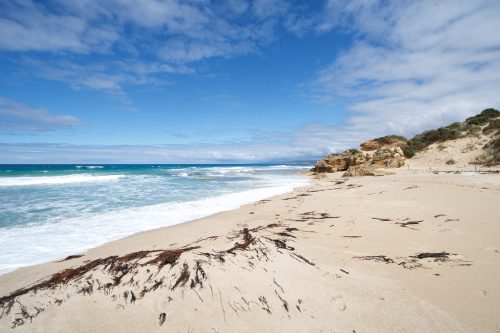
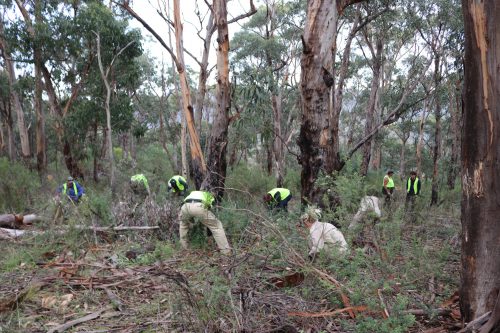
The protection of the Great Ocean Road coastal environment is our highest priority. We work closely with dedicated environmental volunteers to actively protect and enhance the native biodiversity along the Great Ocean Road. Find out more about our conservation program here.
Caravan park management
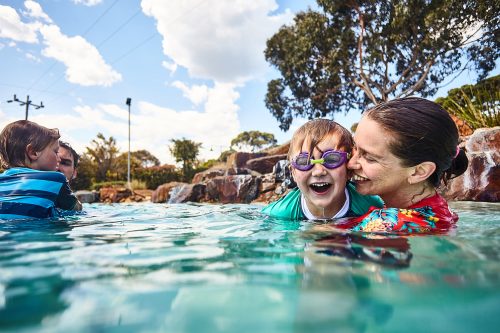
The Anglesea Family, Torquay Foreshore and Lorne Foreshore Caravan Parks generate the majority of our revenue. We are the single largest accommodation provider on the Great Ocean Road with over 525,000 visitor nights annually. All funds raised through our commercial endeavours are reinvested back into the coast.
Public facilities and foreshore infrastructure
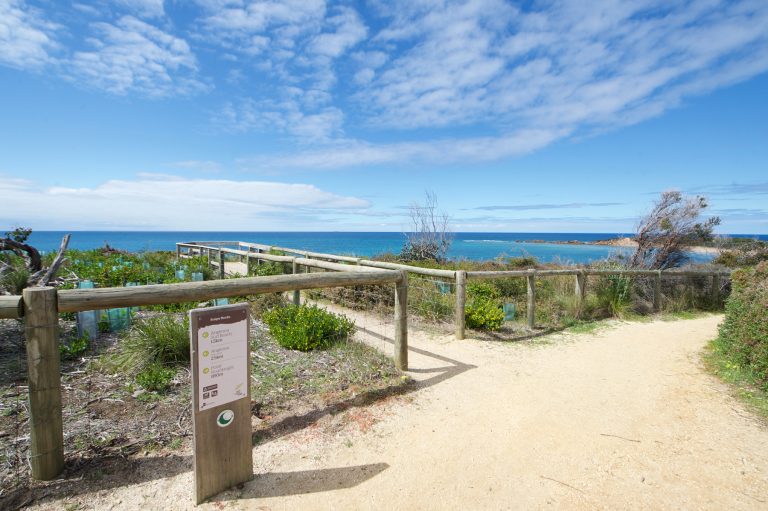
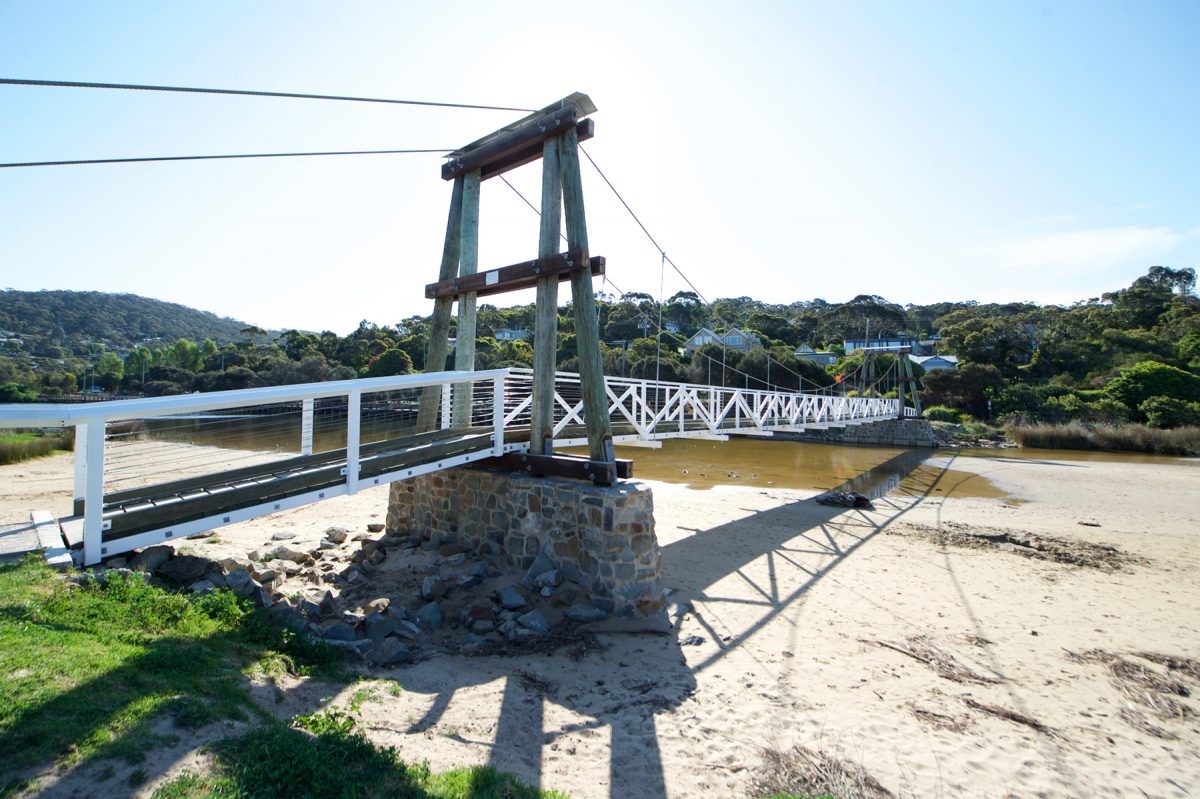
We manage critical coastal and visitor infrastructure from the Port of Lorne, through to Point Impossible in Torquay. We build, maintain and upgrade facilities including toilet amenities, beach access points, car parks and boat ramps. We ensure the safety and enjoyment of coastal users, through leading beach clean ups, facility maintenance and waste management. See the latest projects on the coast here.
Environmental education
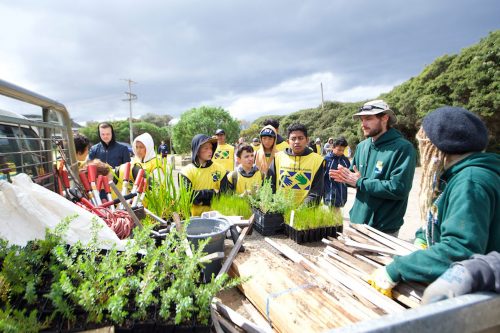
We educate the next generation of coastal protectors through our award-winning education program, equipping participants with the knowledge and skills to understand, respect and protect our coastal surroundings. We create positive relationships with a range of coastal users to help spread important environmental messages and build awareness of coastal values. Find out about our education program here.
Planning
We work with key stakeholders and government agencies to obtain consent for the use and development of the Crown land we manage. We are responsible for the development and implementation of several major projects and master plans, including the Coastal and Marine Management Plan. See our latest projects on the coast here.
Community engagement
We engage and partner with a wide range of coastal users and stakeholders to achieve the best possible outcomes for the coast and the community. We work with local communities, volunteers, Traditional Owner groups and partner agencies to protect the natural and cultural values of the coast and communicate shared stories, goals and priorities. Read the latest media releases here.
Licences, leases and permits
We permit and support over 200 events annually that contribute to the local community and economy. We issue permits and licences for foreshore activities, including weddings, filming/photography, personal training sessions, fun runs and surf schools. We also issue and manage leases for a range of coastal-dependent businesses, including the caravan park at Cumberland River and the Mantra Lorne.
Working with others
We support and partner with local volunteer groups and provide coastal grants to fund initiatives that enhance the natural values of our coast. As a small organisation with a big job to do – and even bigger aspirations – we simply can’t do it alone. Find out more about how to get involved and volunteer here.
Our funding model
We currently generate over $14.4 million in direct revenue annually, all of which is reinvested back into the coast. The majority of our funding comes from the three Crown land caravan parks we manage. The remaining funds come from a range of sources including leases such as the Cumberland River Caravan Park, licence and permit fees, and fee-for-service delivery.